
KAVAN Pilatus PC-21 1450mm ARF - red
7 105 SEK
- Säkra kortbetalningar
- Fri frakt på ordrar över 2500kr
Beskrivning
Art.nr: KAV02.8100
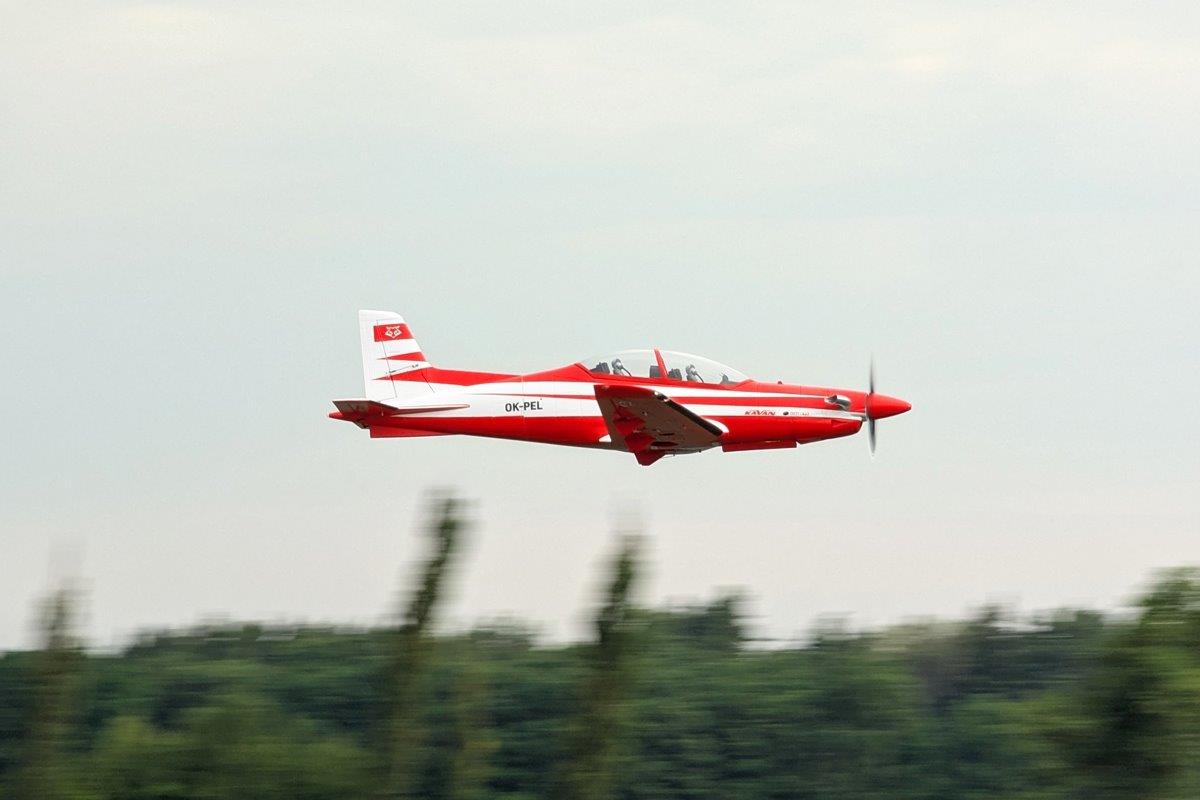
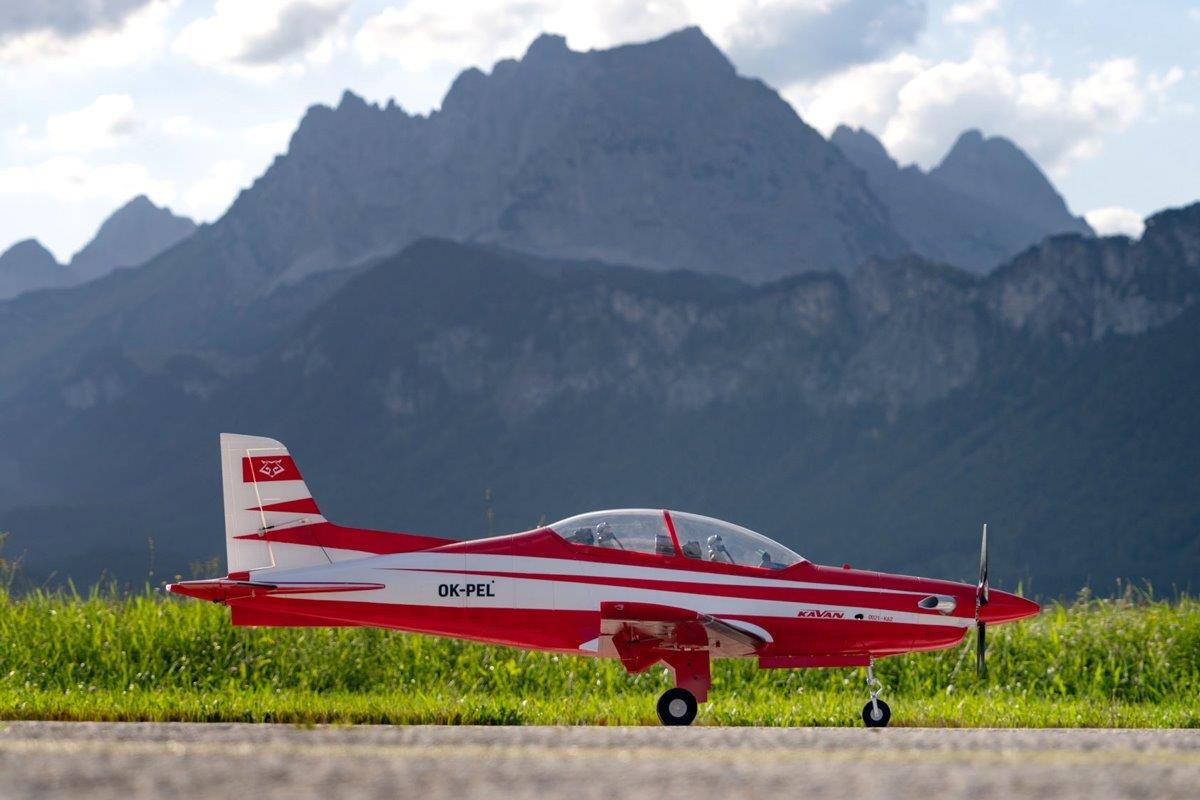
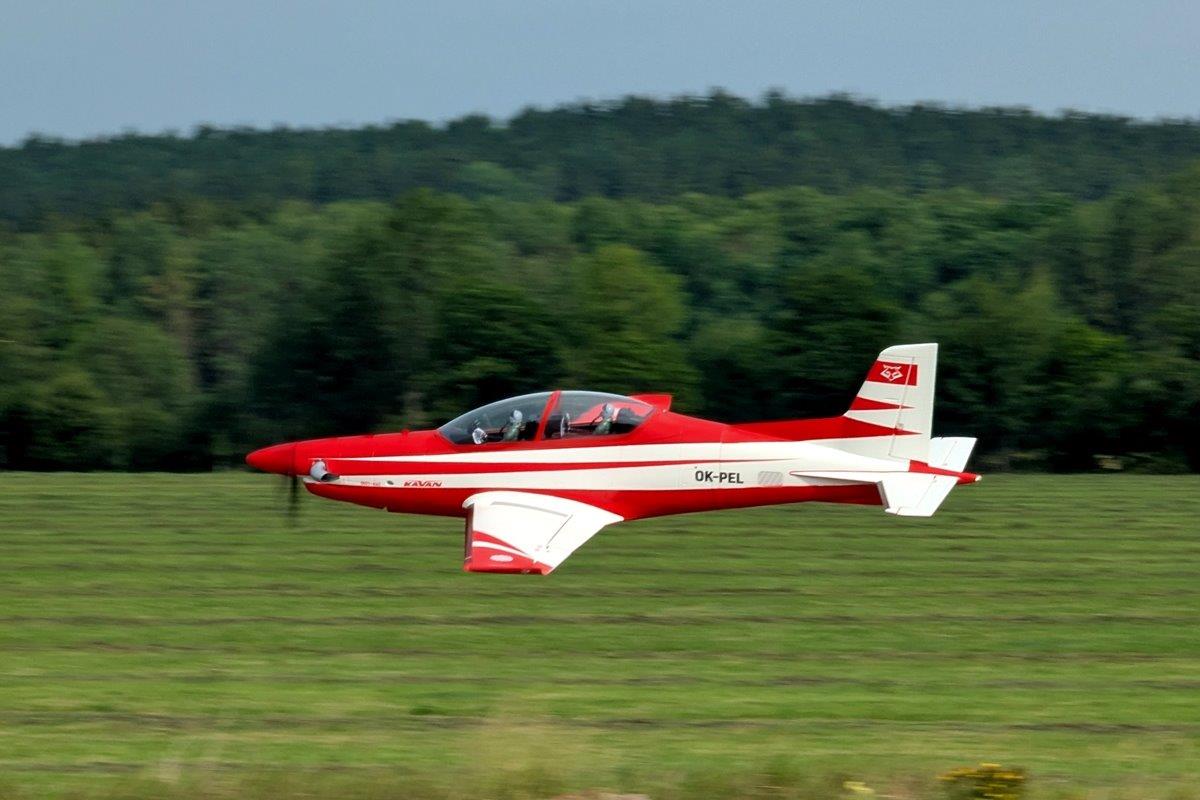
Almost ready to fly scale model (1450 mm wingspan) of a Swiss turboprop military trainer aeroplane. Made of EPO foam with thorough carbon and plywood reinforcement; C5055-470KV brushless motor with a 13×10" 5-blade propeller, R-100SB Plus ESC and 8 metal gear micro servos installed. Aileron, flap, elevator, rudder and throttle control; steerable nose gear, retractable undercarriage, LED lights. For 6S LiPo 45006000mAh battery (at least 40C, 60C preferred).
The Pilatus PC-21 is a military turboprop trainer and light combat aircraft developed and manufactured by the Swiss company Pilatus Aircraft Ltd. It follows the legendary series of P-3 (piston engine), PC-7 and PC-9 turboprop trainers; thanks to a more powerful engine, the use of modern materials and the latest aerodynamics, it boasts a maximum speed and climb rate previously only found in jet-powered aircraft. Together with advanced avionics, this allows the PC-21 to fulfil the role of a plane for both basic and advanced flight training, from which pilots can move directly to supersonic aircraft. And not just that, the unique Pilatus training system of which the PC-21 is a part also enables the training of navigators, weapons system operators and electronic warfare operators.
The PC-21 is powered by a 1,200 kW Pratt & Whitney Canada PT6A-68B turboprop engine, ensuring economical operation and high reliability. It can carry up to 1,350 kg of payload on five external pylons under the wing and fuselage: additional fuel tanks, containers with machine guns, cannons or unguided rockets, conventional and laser-guided bombs, containers with reconnaissance equipment, etc.
The first prototype of the PC-21 flew in 2002 - regular production aircraft are now flying all around the world and training pilots in their home country of Switzerland, as well as in France, Spain, Saudi Arabia and other countries in the Middle East, Indonesia, Australia; deliveries to the Royal Canadian Air Force began in 2026 and tenders are underway for the air forces of Sweden, Great Britain, Malaysia and other countries. The PC-21 has truly become the training aircraft for the 21st century, as its creators at Pilatus set out to do at the very beginning.
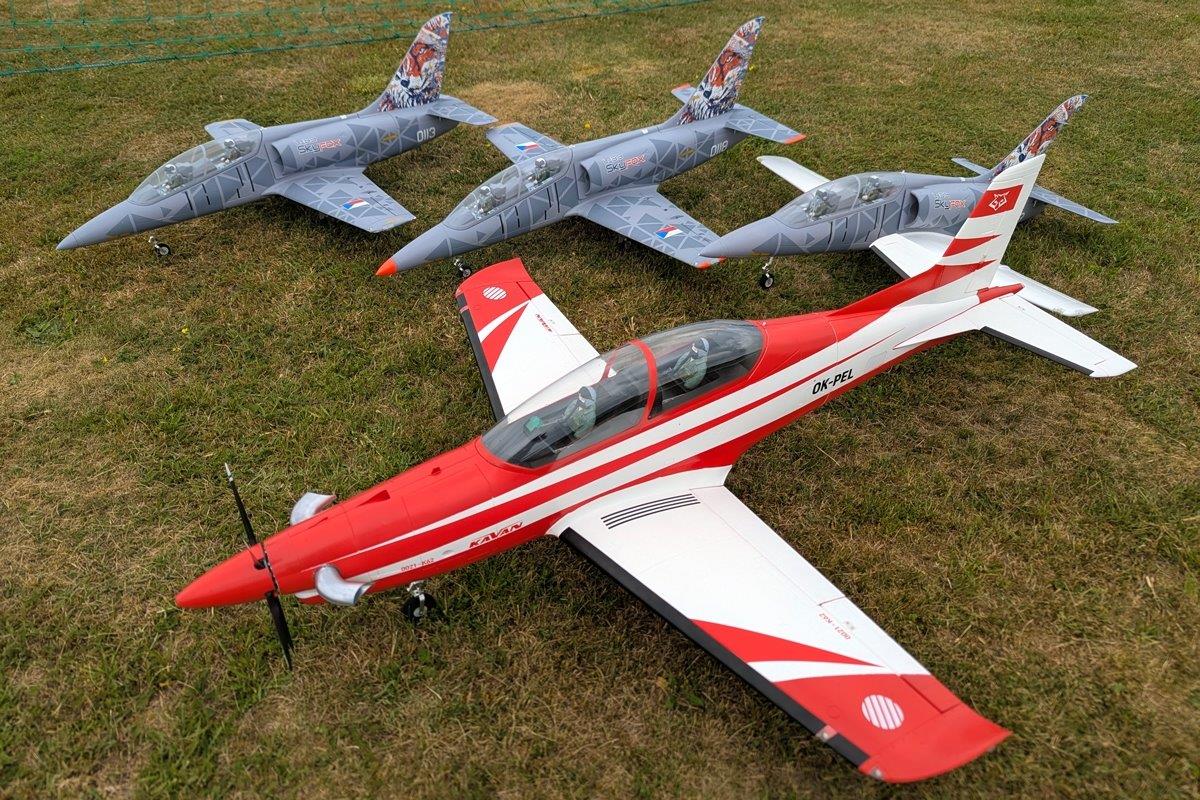
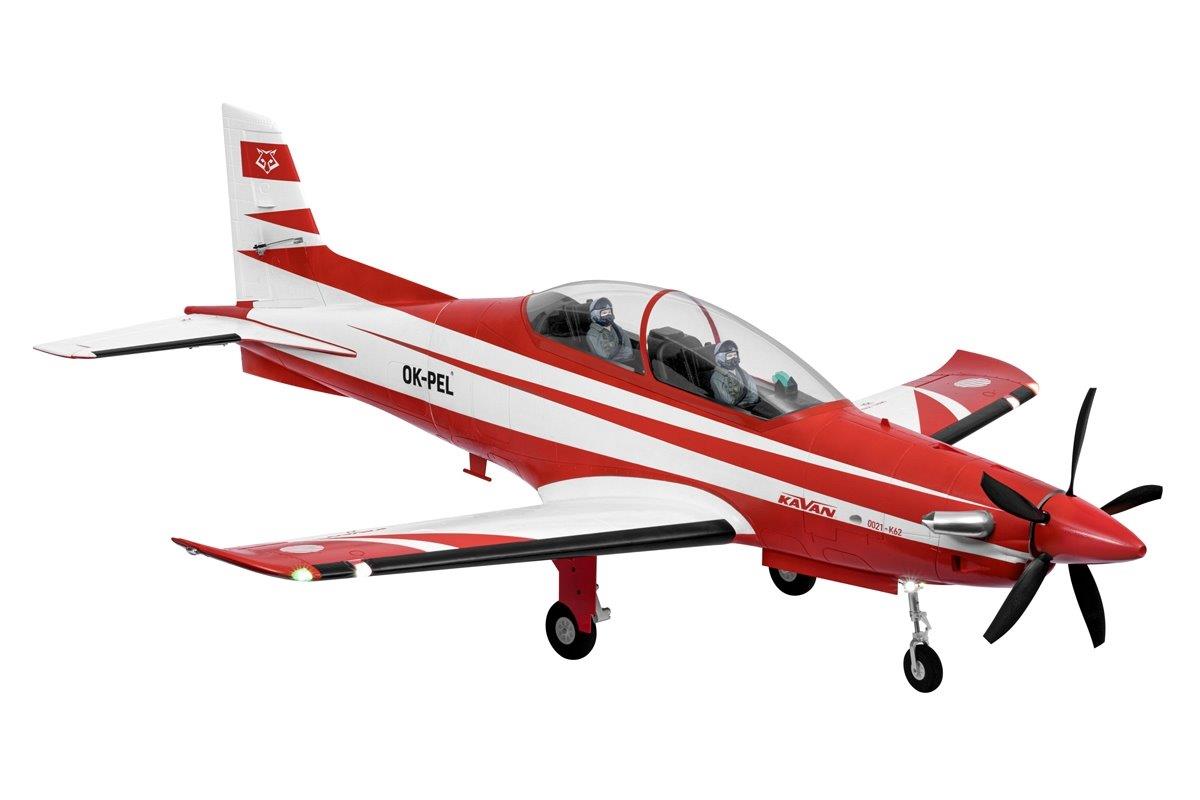
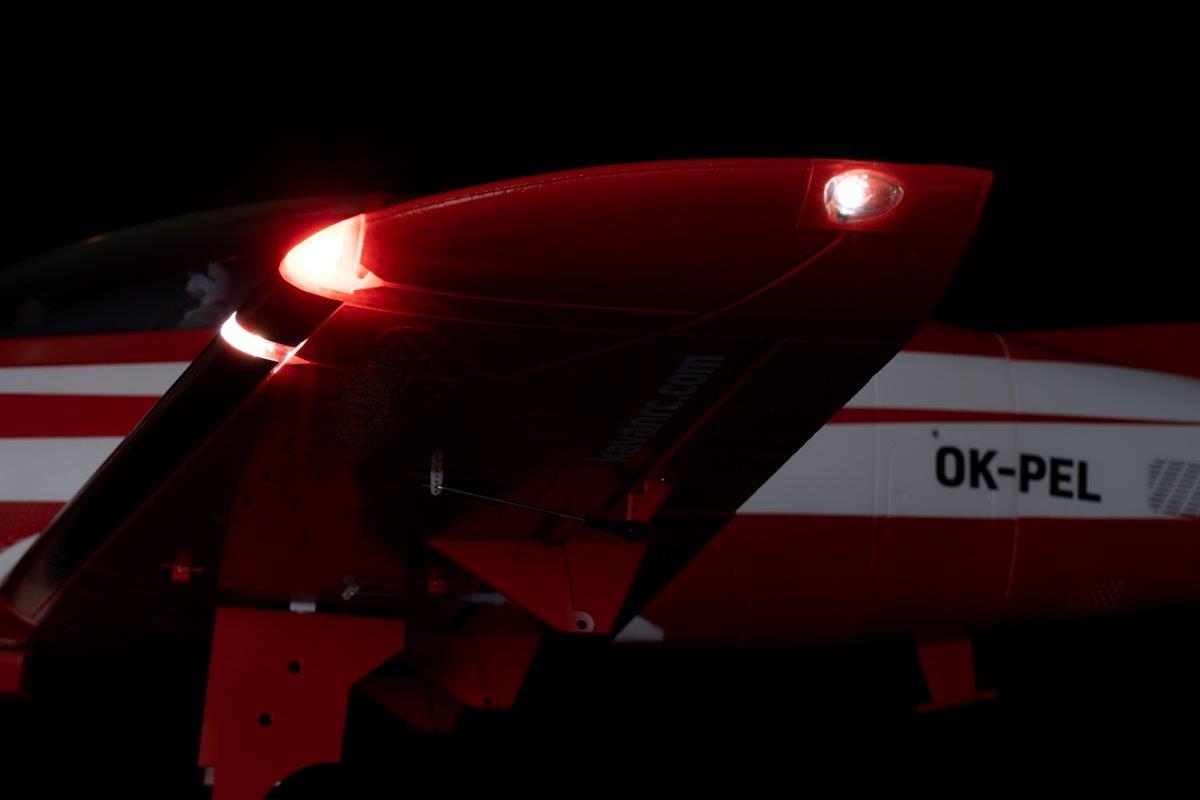
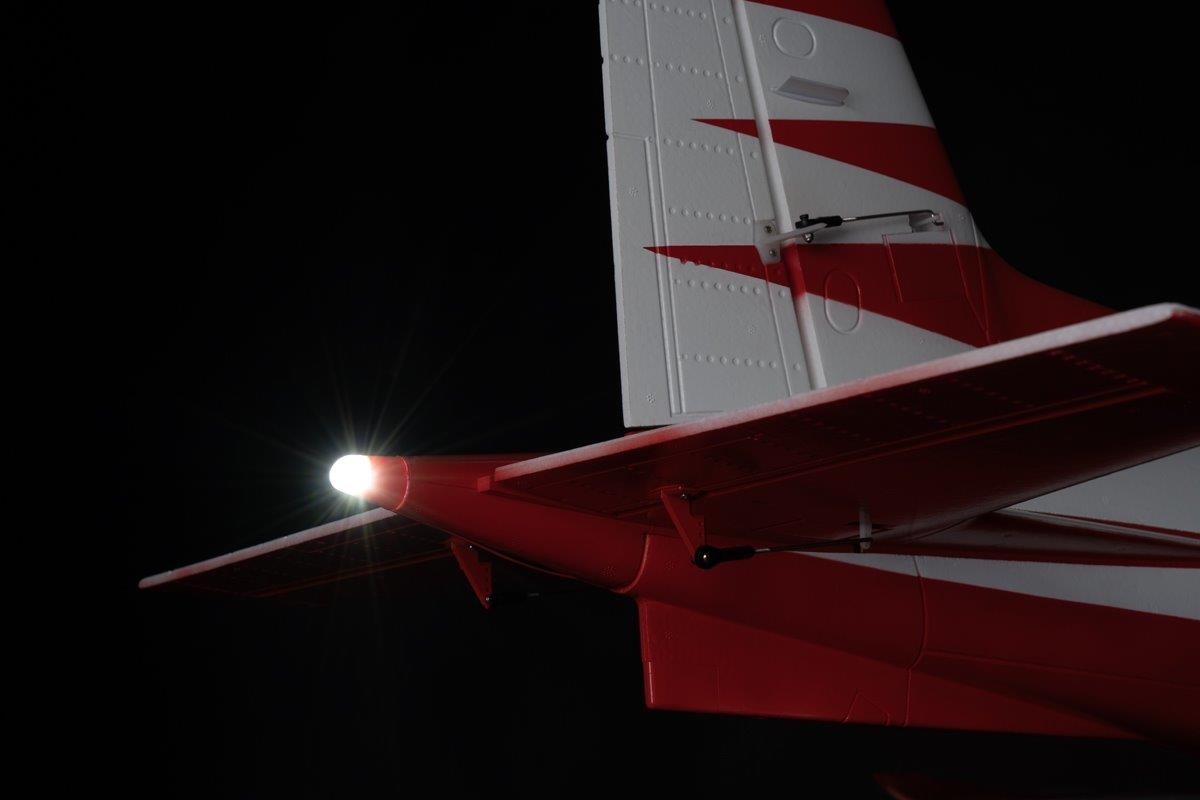
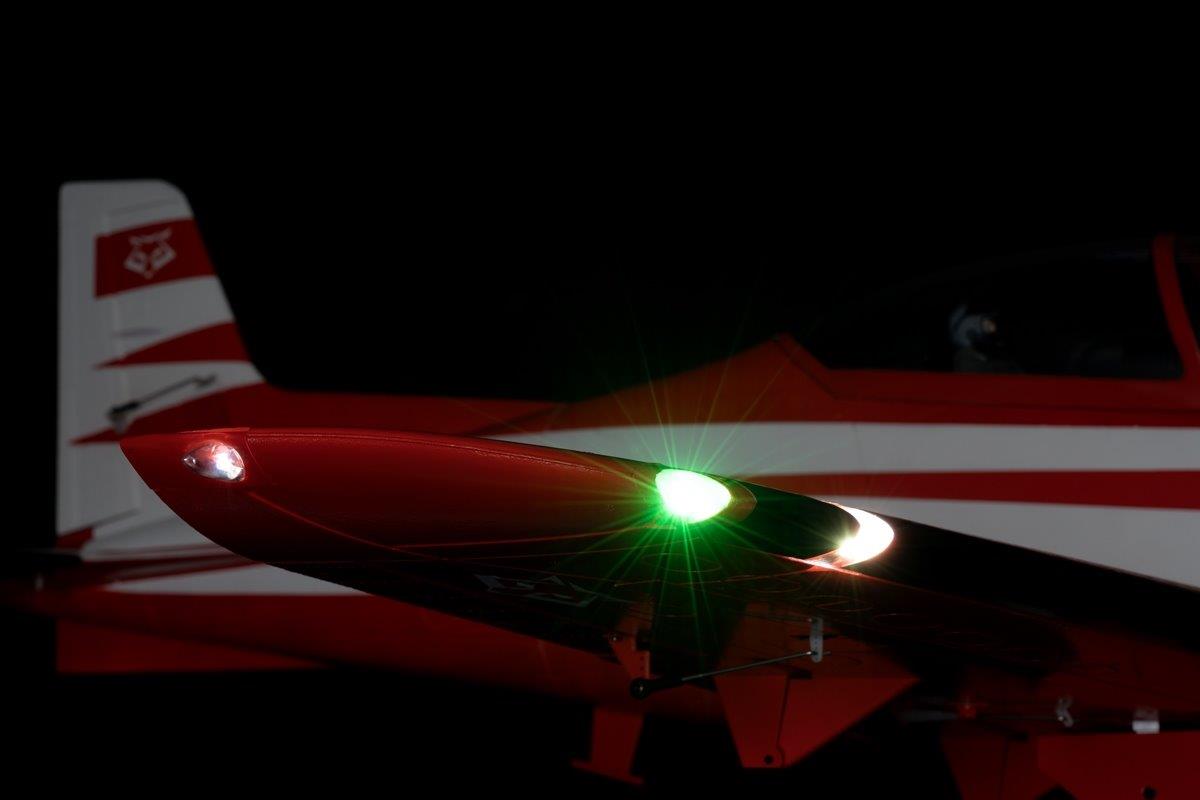
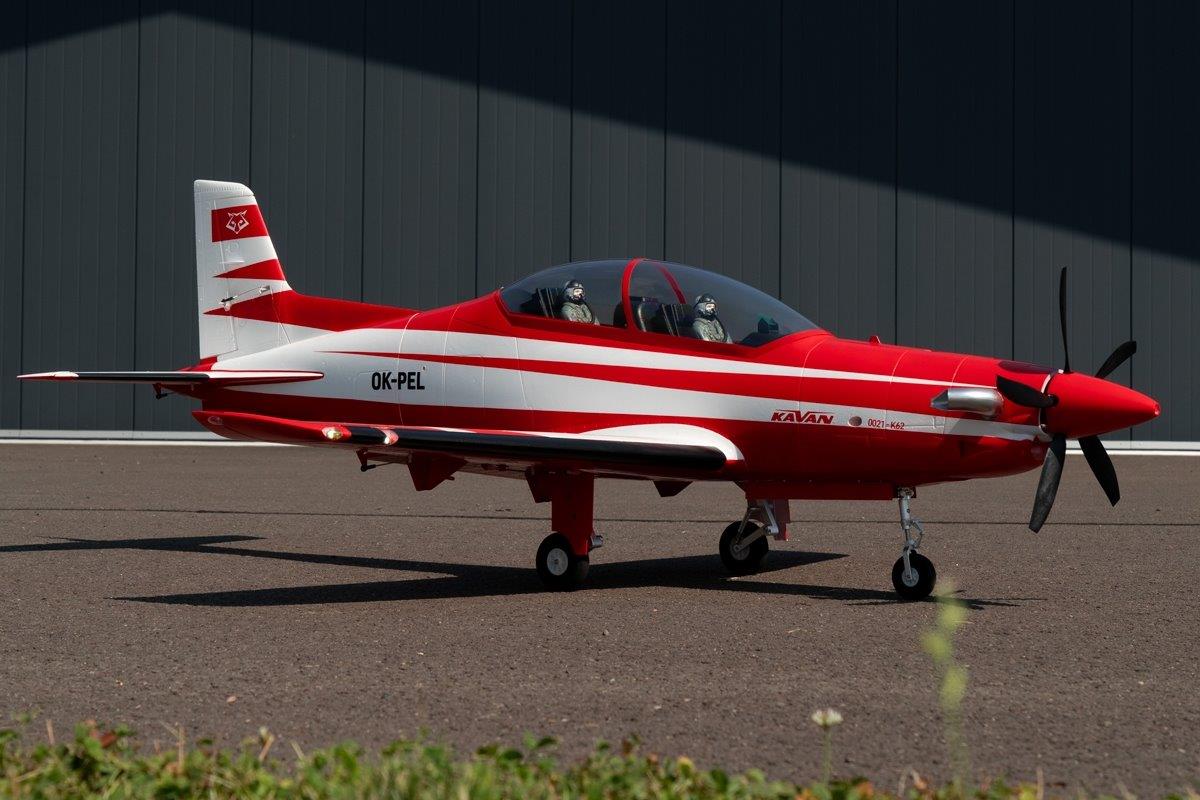
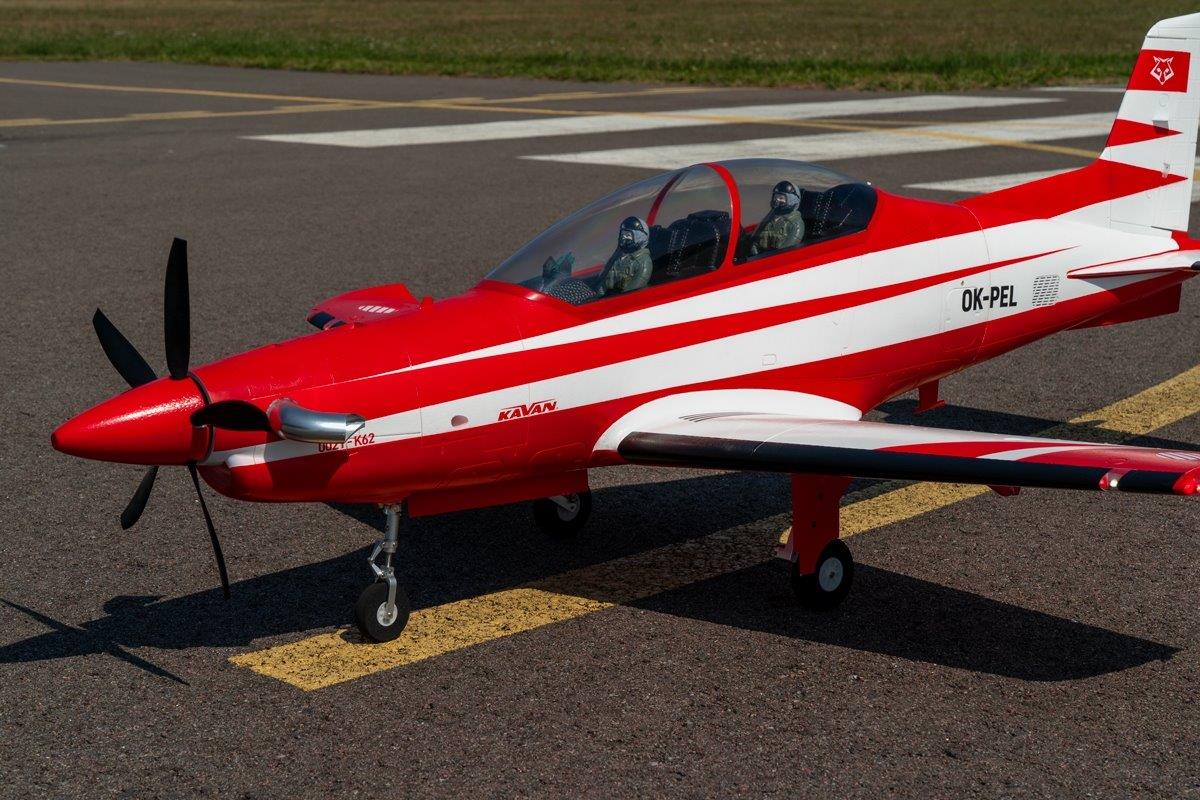
The KAVAN PC-21 model faithfully replicates its full-scale counterpart in both appearance and flight characteristics. The aircrafts distinctive shape is complemented by a range of detailed features, striking LED lights and a fully decorated cockpit. High stability, surprising manoeuvrability and powerful thrust enable aerobatics and high-speed fly-bys. The spring-loaded landing gear ensures perfectly scale take-offs and landings, with an elegant touchdown on the landing area.
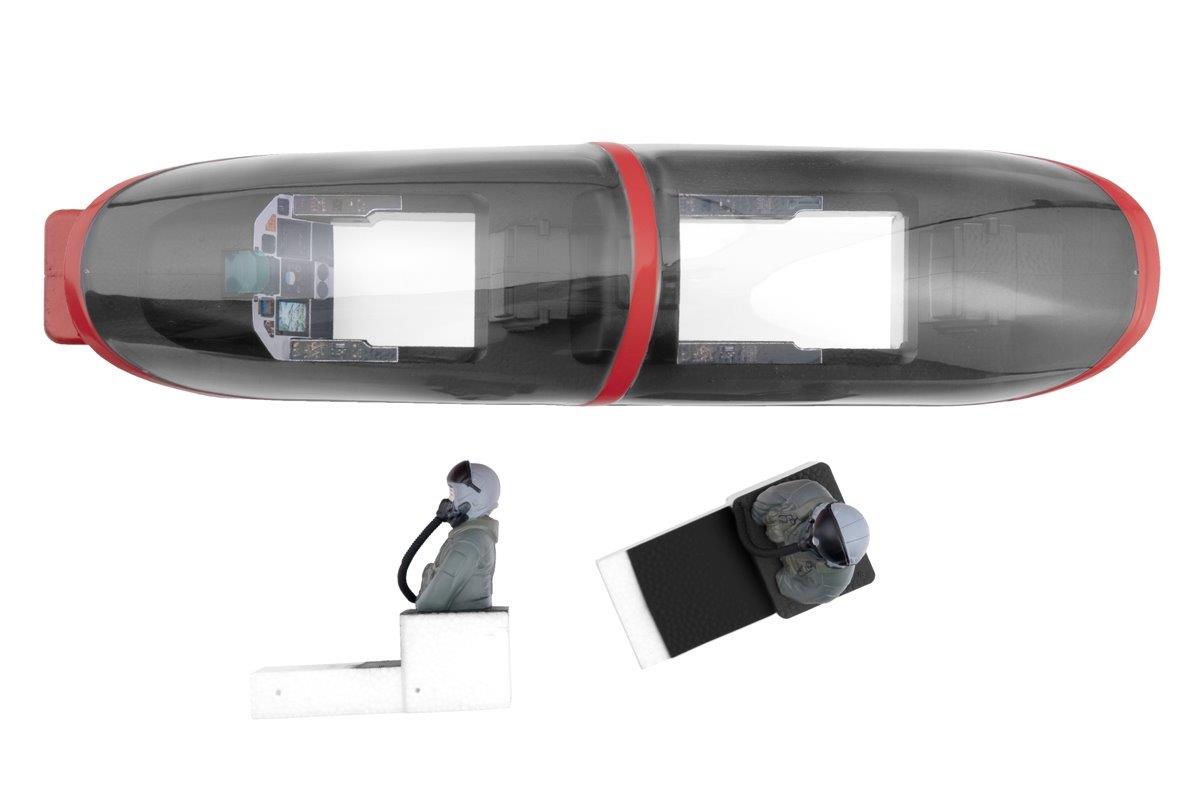
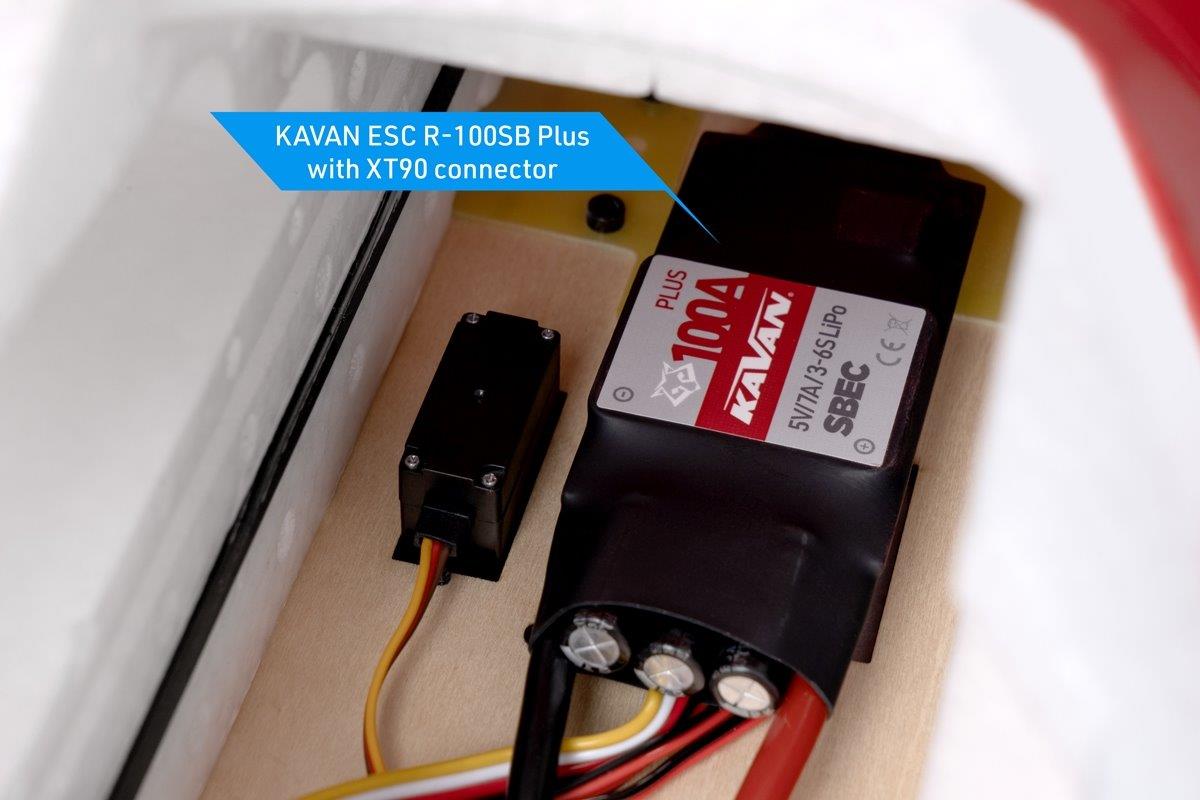
The EPO foam fuselage, thoroughly carbon and plywood-reinforced, comes with the C5055-470KV brushless motor and KAVAN R-100SB Plus ESC featuring a powerful switching SBEC stabiliser necessary to feed all 8 servos aboard. The detachable canopy is secured with a latch in the rear and offers easy access to the onboard electronics.
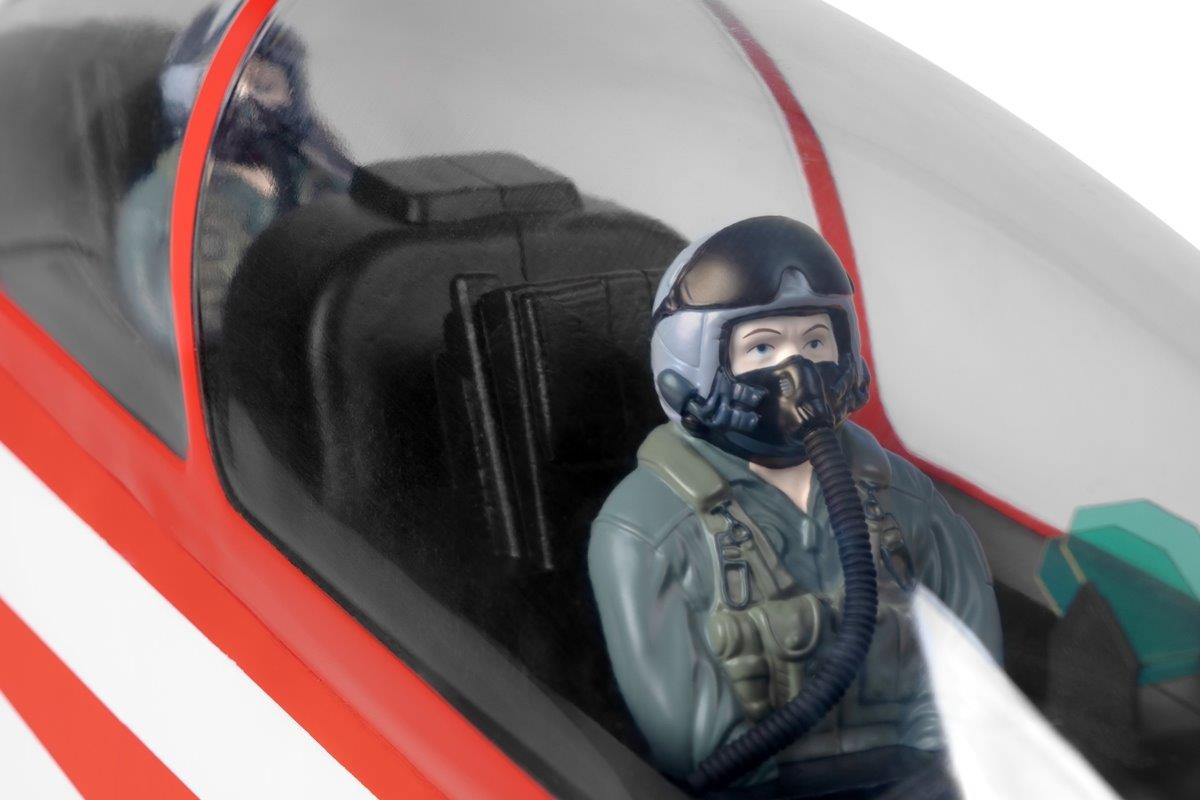
The cockpit is spacious and consists of two modules with pilots secured with screws. The canopy glazing is highly transparent, the cockpit interior is fully decorated, and the pilots are painted. There is plenty of space in the cockpit for installing your own pilots or an FPV unit without the need for cutting or glueing.
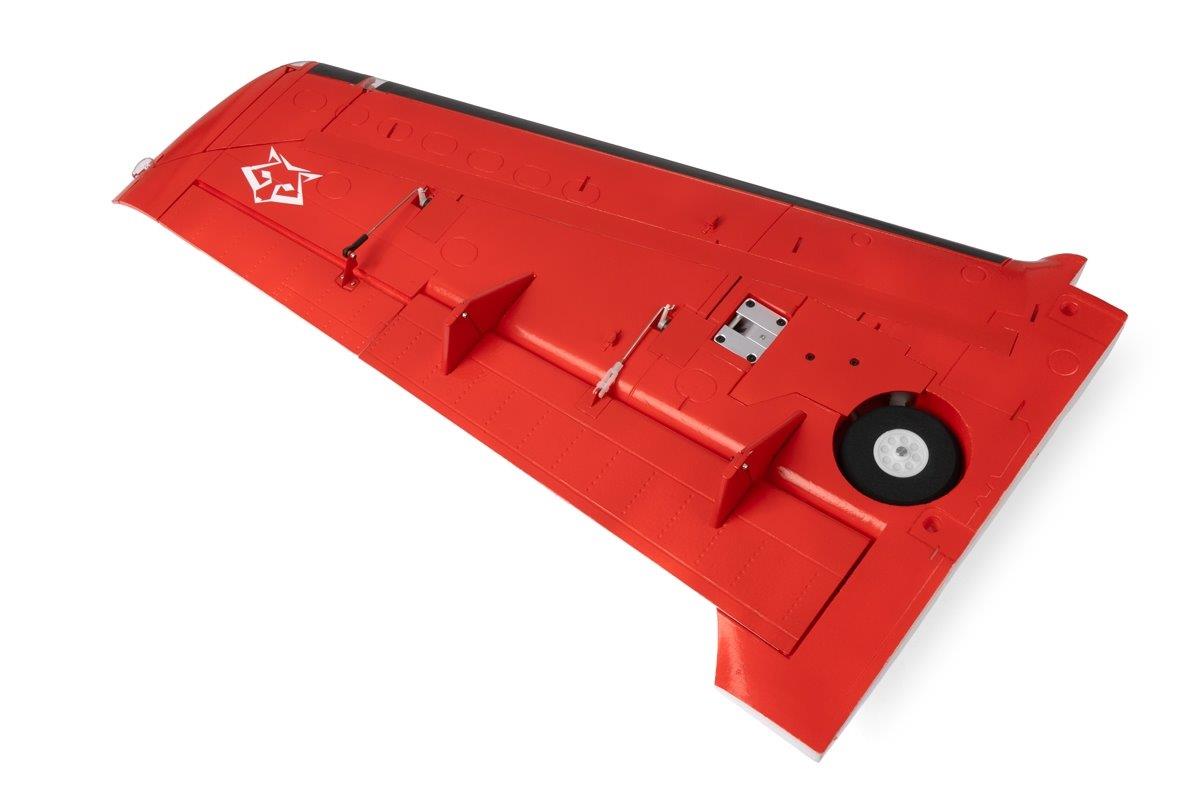
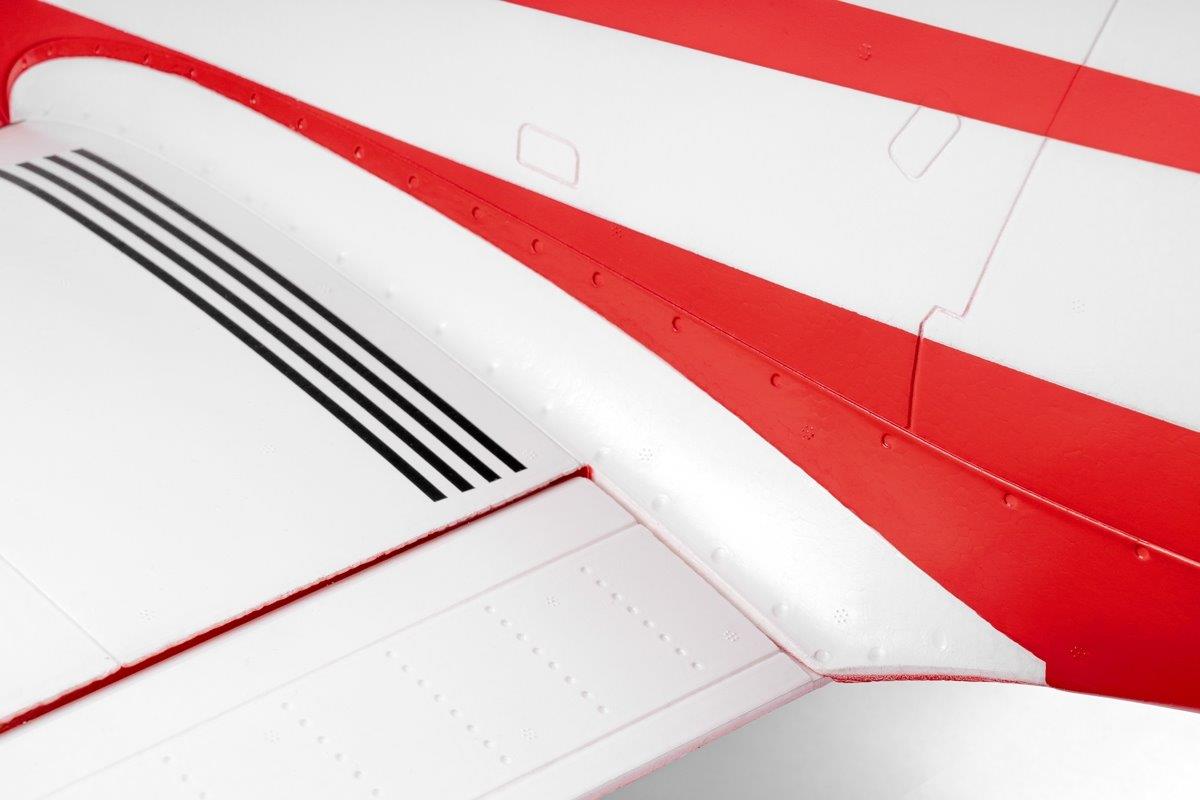
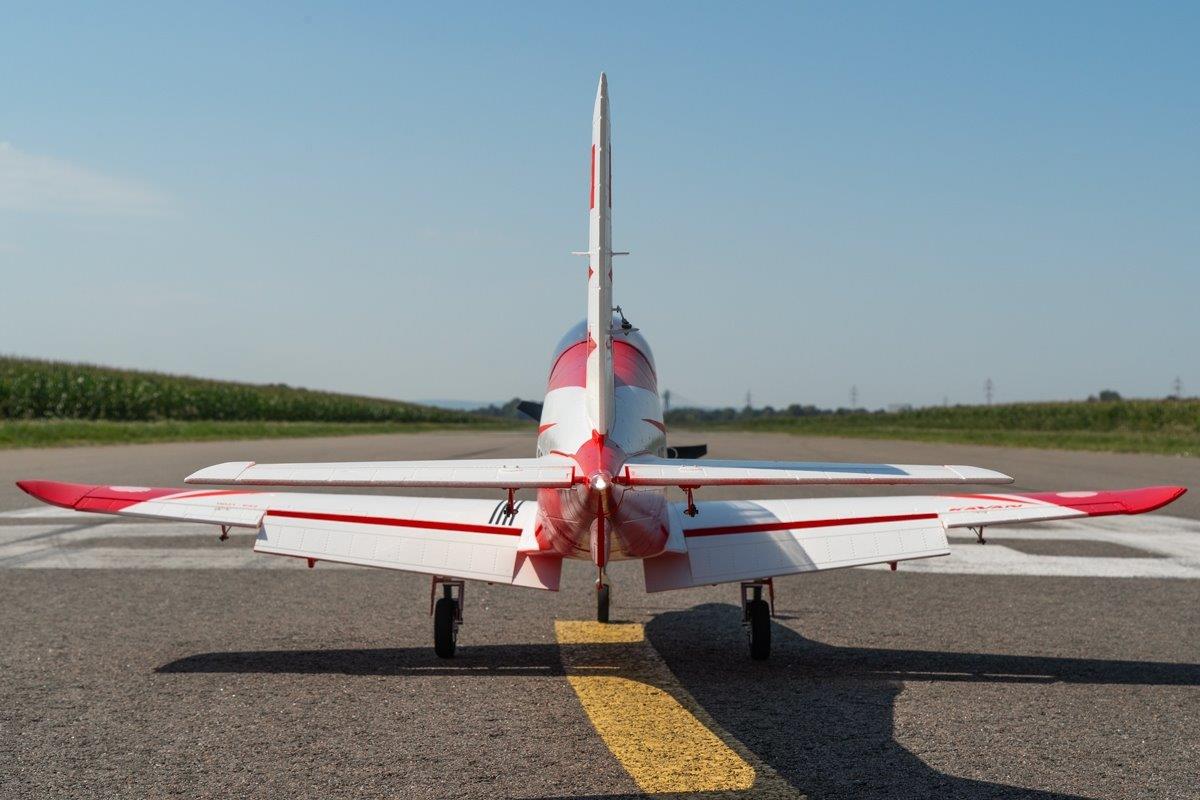
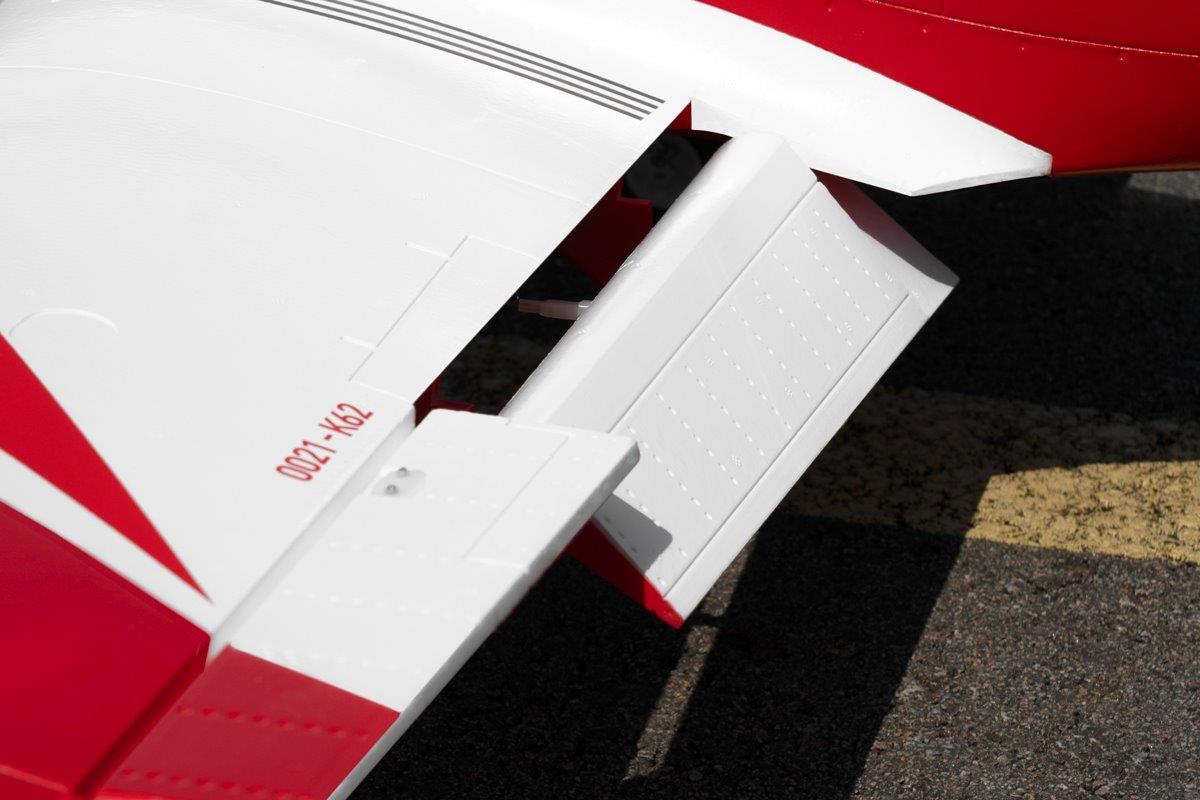
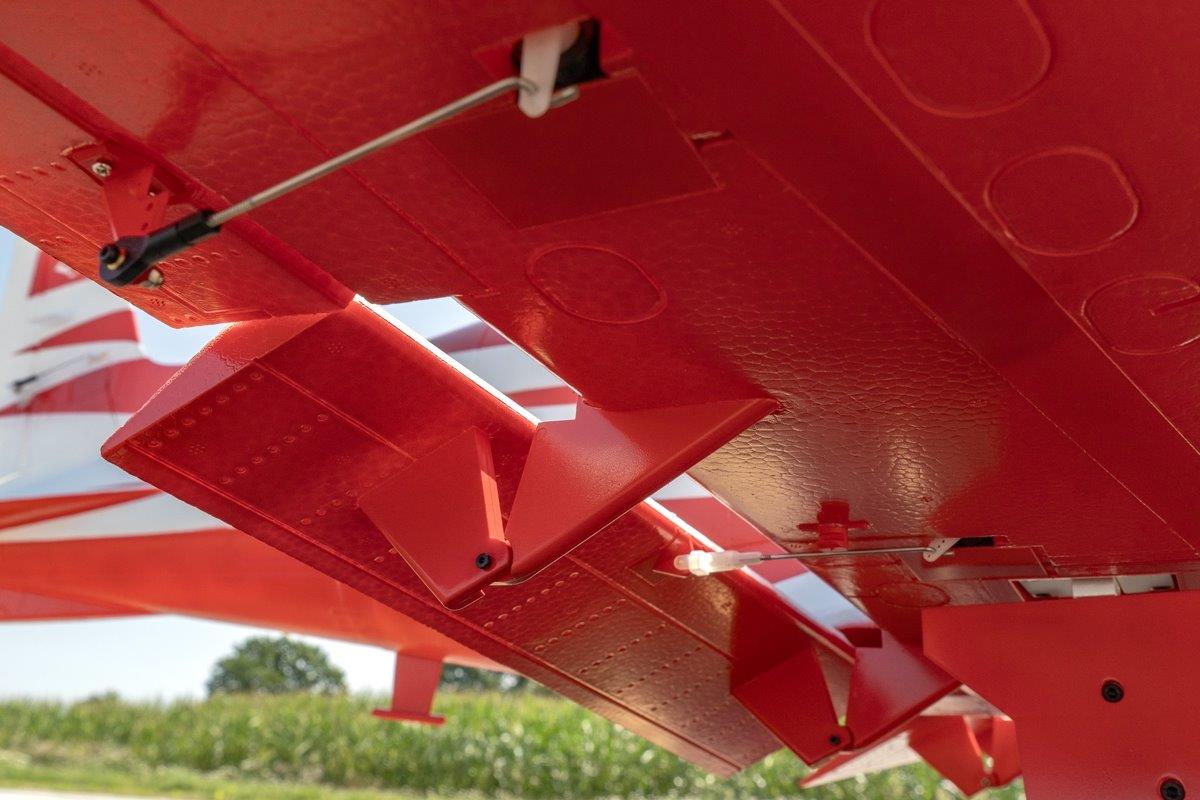
The two-piece EPO wing is joined together with two carbon tube joiners. The wing is secured by two joiners and 4 bolts. The ailerons and flaps are controlled by two pairs of servos installed in the wing, driven with short wire pushrods; there are position and landing LED lights installed as well. The flaps are hinged on 4 robust pylons.
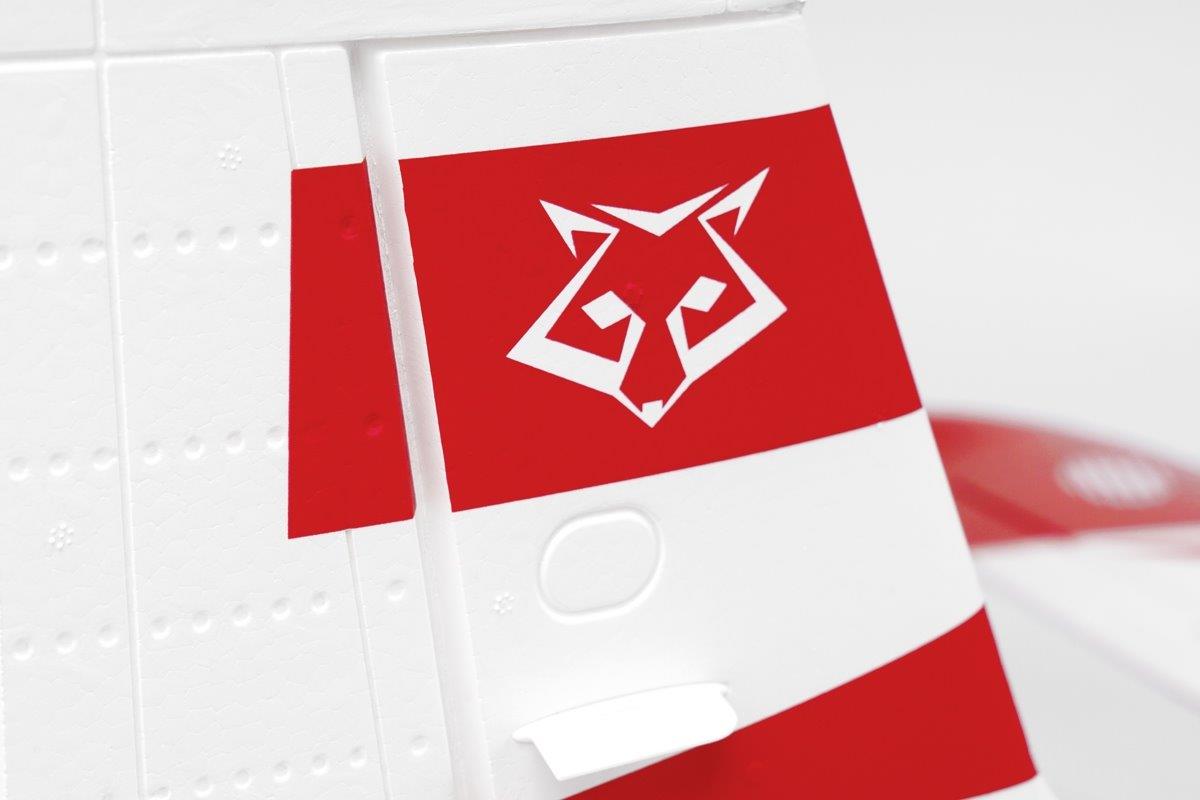
The empennage is made of EPO foam. The elevator and rudder servos are installed directly in the tail surfaces, and the control surfaces are operated by short wire pushrods.
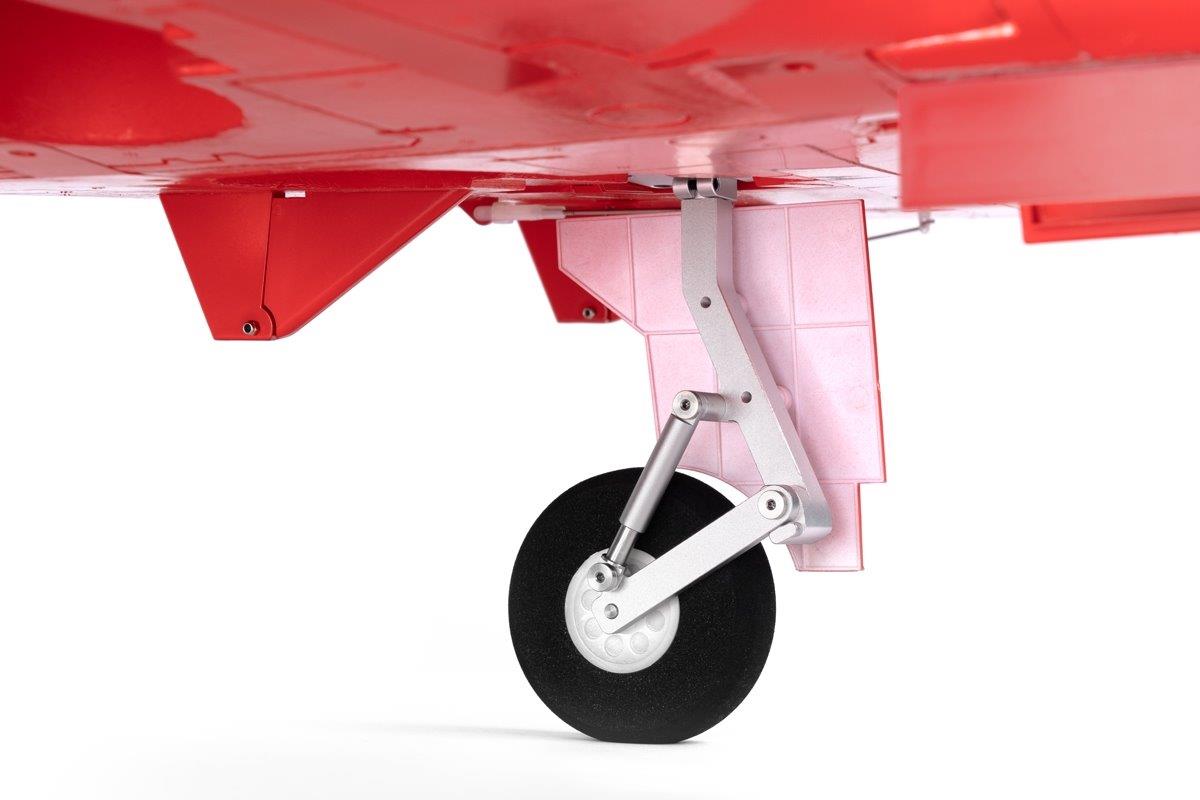
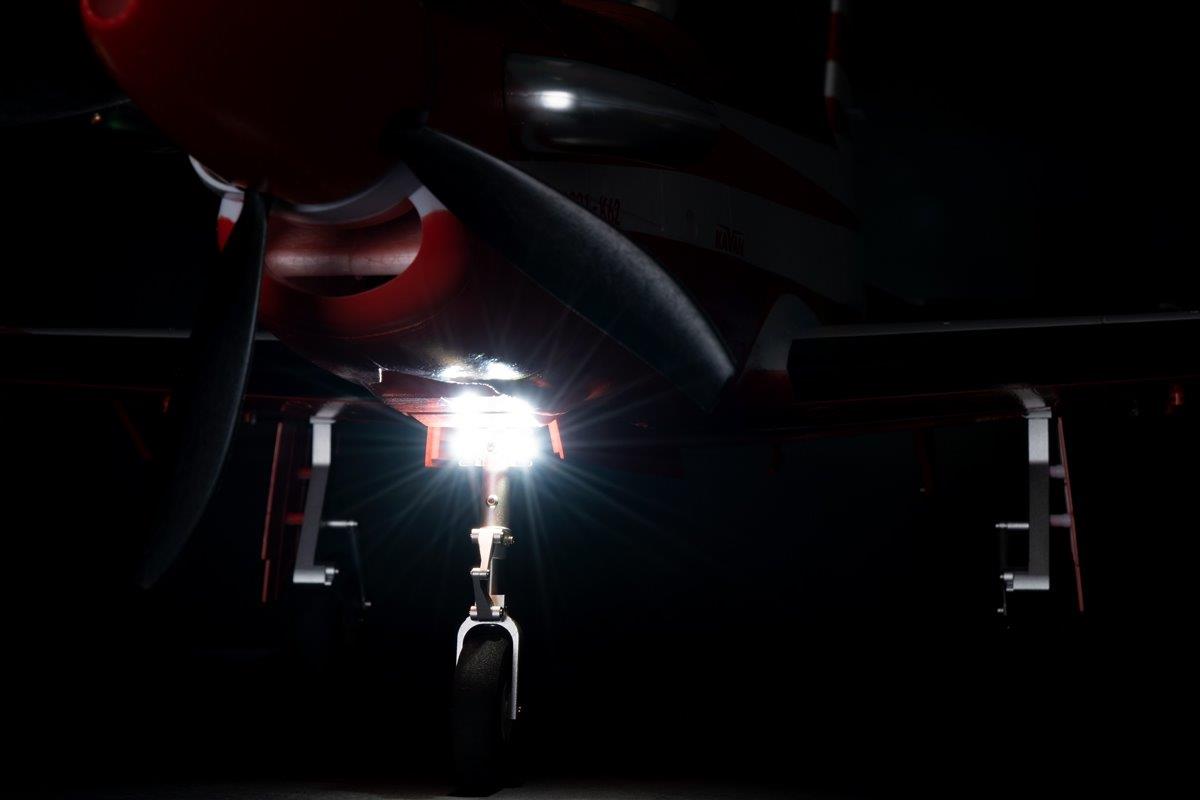
The tricycle retractable undercarriage has all legs spring-loaded. The steerable nose leg is fitted with high-intensity landing and taxi lights.
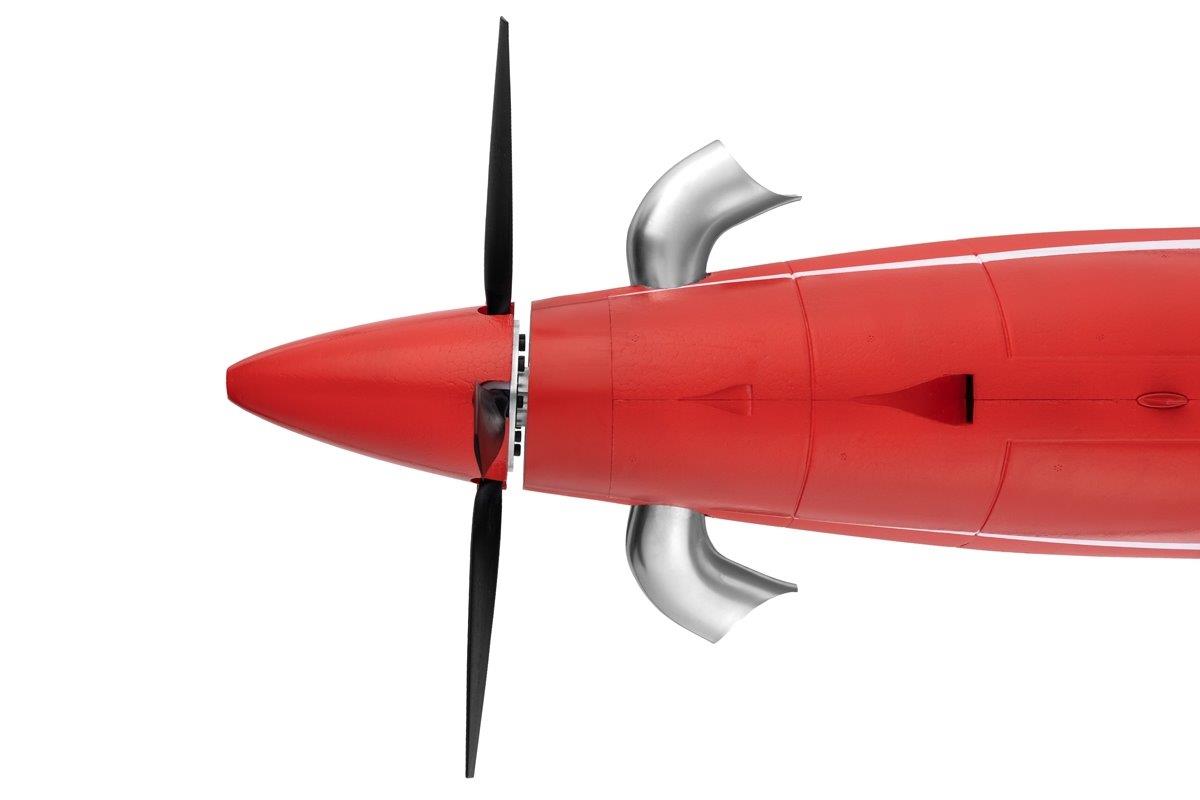
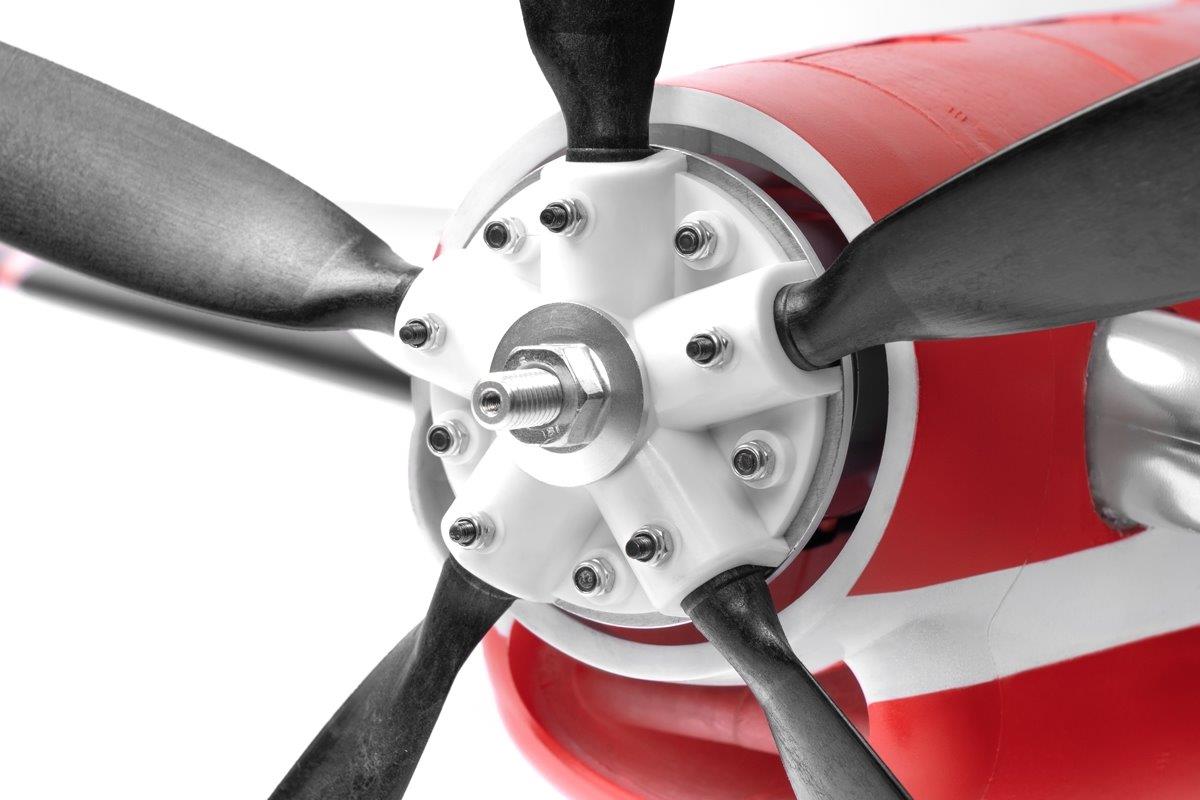
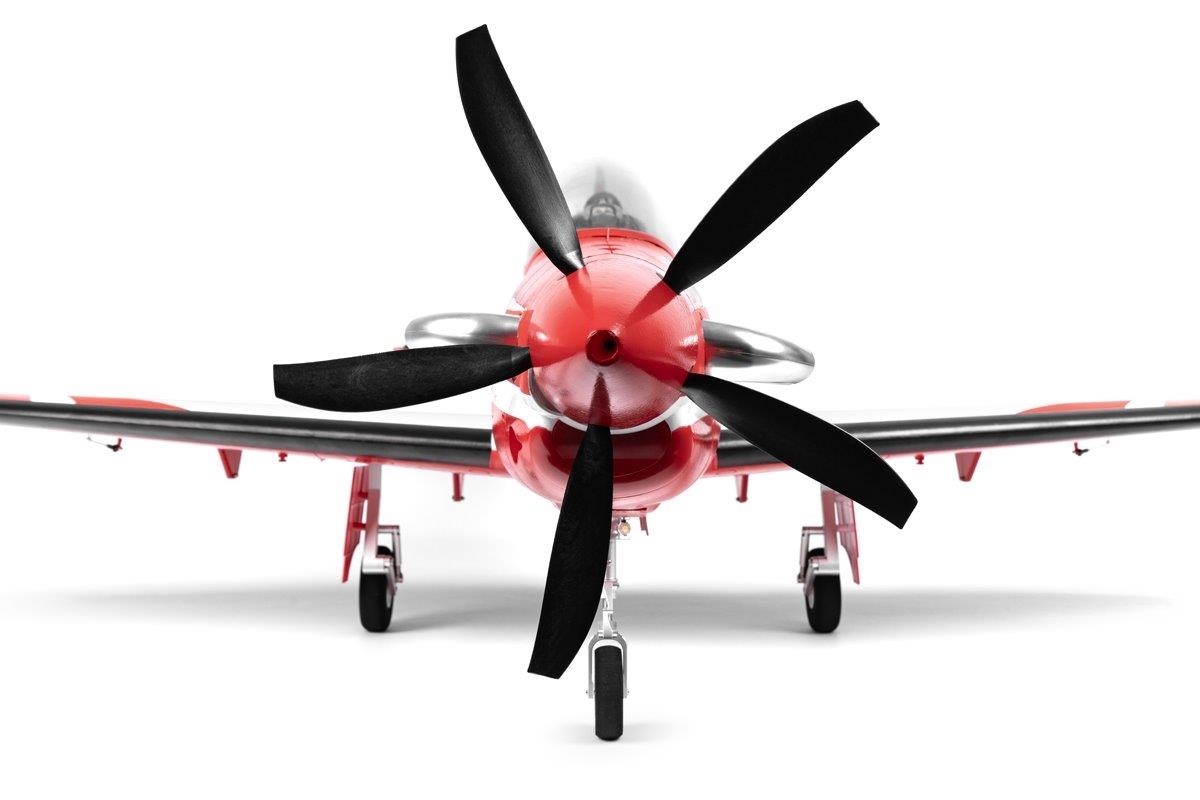
PC-21 is powered by a C5055-470KV brushless motor with a 5-blade 13×10" propeller and the KAVAN R-100SB Plus 100A ESC.
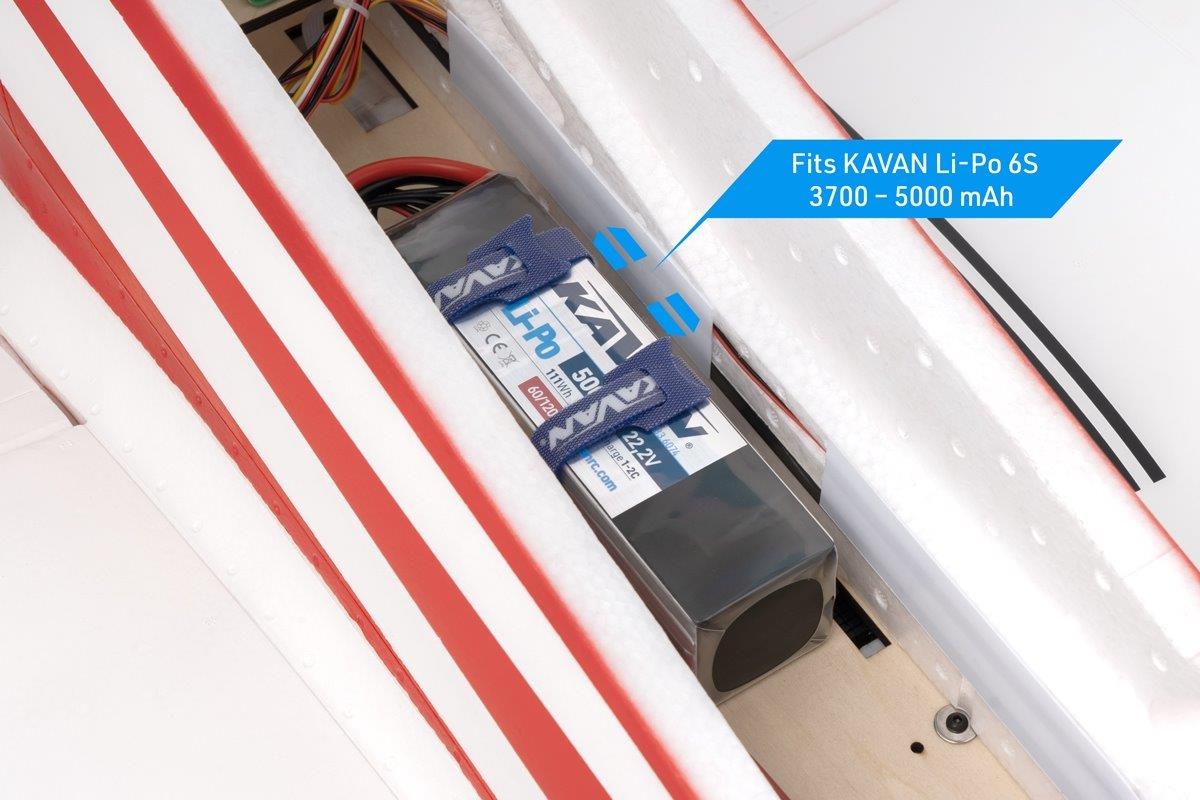
You will need a 22.2V 45006000mAh flight pack (at least 40C, 60C preferred) to fly your PC-21. Choose the particular type so that the correct centre of gravity can be achieved without additional ballast.
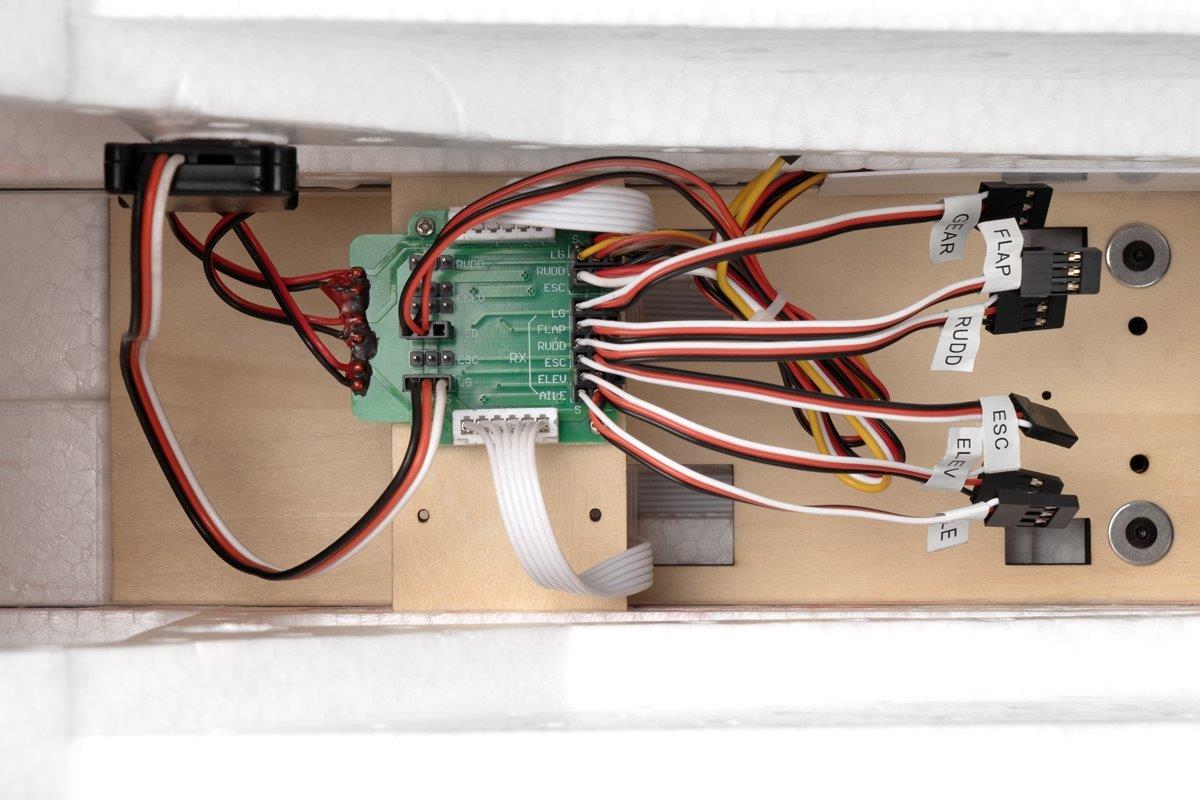
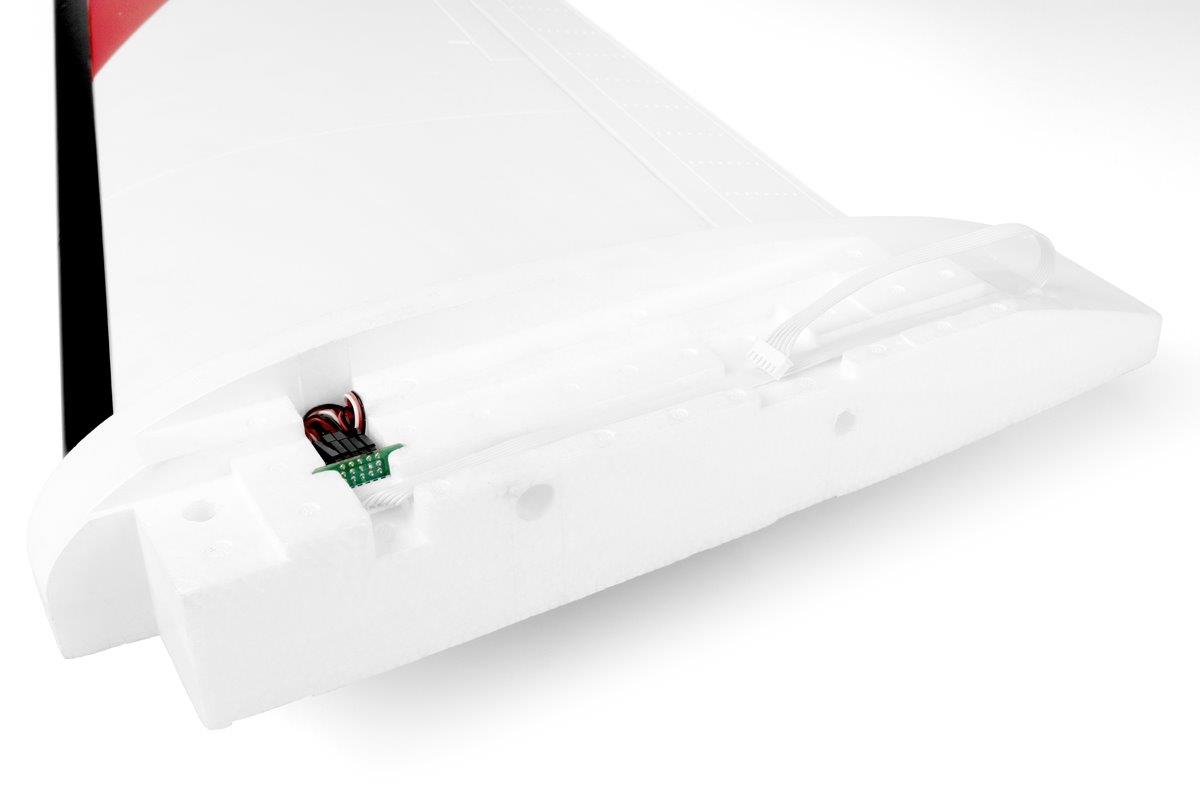
You will need at least a 6-channel RC set to control your PC-21; even a non-computer radio would work, as the aileron, flap and rudder are controlled by a single channel each, linked via the pre-installed connection board. The steerable nose wheel controls are linked to the rudder controls. The control for retracting the landing gear is also connected to a single channel. The board feeds the LED lights as well; the connected sequencer controls the retracts. The instruction manual contains a thoroughly tested set-up table in order to help you set up the PC-21 easily.
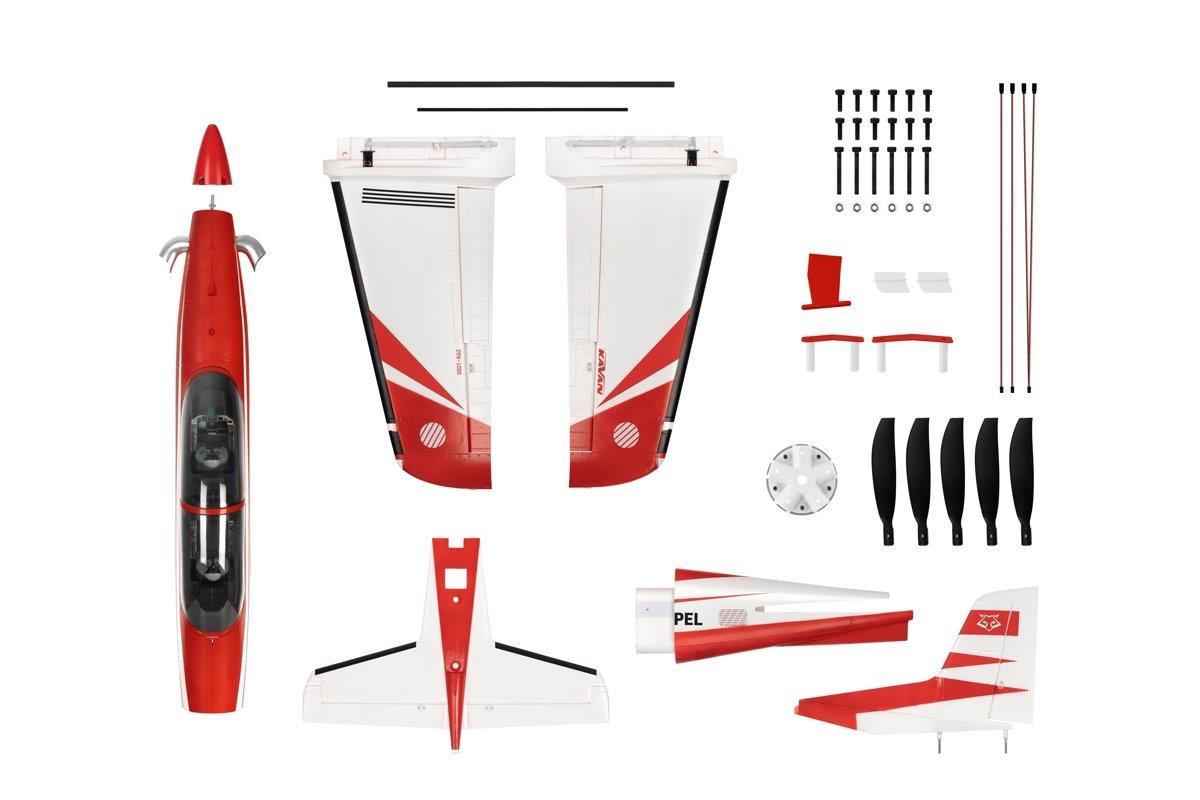
ARF set contents: EPO fuselage, wing and empennage with a brushless motor, ESC, 8 servos, electric retractable undercarriage and LED lights installed, propeller parts with propeller adapter, and instruction manual.
The Pilatus PC-21 is a military turboprop trainer and light combat aircraft developed and manufactured by the Swiss company Pilatus Aircraft Ltd. It follows the legendary series of P-3 (piston engine), PC-7 and PC-9 turboprop trainers; thanks to a more powerful engine, the use of modern materials and the latest aerodynamics, it boasts a maximum speed and climb rate previously only found in jet-powered aircraft. Together with advanced avionics, this allows the PC-21 to fulfil the role of a plane for both basic and advanced flight training, from which pilots can move directly to supersonic aircraft. And not just that, the unique Pilatus training system of which the PC-21 is a part also enables the training of navigators, weapons system operators and electronic warfare operators.
The PC-21 is powered by a 1,200 kW Pratt & Whitney Canada PT6A-68B turboprop engine, ensuring economical operation and high reliability. It can carry up to 1,350 kg of payload on five external pylons under the wing and fuselage: additional fuel tanks, containers with machine guns, cannons or unguided rockets, conventional and laser-guided bombs, containers with reconnaissance equipment, etc.
The first prototype of the PC-21 flew in 2002 - regular production aircraft are now flying all around the world and training pilots in their home country of Switzerland, as well as in France, Spain, Saudi Arabia and other countries in the Middle East, Indonesia, Australia; deliveries to the Royal Canadian Air Force began in 2026 and tenders are underway for the air forces of Sweden, Great Britain, Malaysia and other countries. The PC-21 has truly become the training aircraft for the 21st century, as its creators at Pilatus set out to do at the very beginning.
The KAVAN PC-21 model faithfully replicates its full-scale counterpart in both appearance and flight characteristics. The aircrafts distinctive shape is complemented by a range of detailed features, striking LED lights and a fully decorated cockpit. High stability, surprising manoeuvrability and powerful thrust enable aerobatics and high-speed fly-bys. The spring-loaded landing gear ensures perfectly scale take-offs and landings, with an elegant touchdown on the landing area.
The EPO foam fuselage, thoroughly carbon and plywood-reinforced, comes with the C5055-470KV brushless motor and KAVAN R-100SB Plus ESC featuring a powerful switching SBEC stabiliser necessary to feed all 8 servos aboard. The detachable canopy is secured with a latch in the rear and offers easy access to the onboard electronics.
The cockpit is spacious and consists of two modules with pilots secured with screws. The canopy glazing is highly transparent, the cockpit interior is fully decorated, and the pilots are painted. There is plenty of space in the cockpit for installing your own pilots or an FPV unit without the need for cutting or glueing.
The two-piece EPO wing is joined together with two carbon tube joiners. The wing is secured by two joiners and 4 bolts. The ailerons and flaps are controlled by two pairs of servos installed in the wing, driven with short wire pushrods; there are position and landing LED lights installed as well. The flaps are hinged on 4 robust pylons.
The empennage is made of EPO foam. The elevator and rudder servos are installed directly in the tail surfaces, and the control surfaces are operated by short wire pushrods.
The tricycle retractable undercarriage has all legs spring-loaded. The steerable nose leg is fitted with high-intensity landing and taxi lights.
PC-21 is powered by a C5055-470KV brushless motor with a 5-blade 13×10" propeller and the KAVAN R-100SB Plus 100A ESC.
You will need a 22.2V 45006000mAh flight pack (at least 40C, 60C preferred) to fly your PC-21. Choose the particular type so that the correct centre of gravity can be achieved without additional ballast.
You will need at least a 6-channel RC set to control your PC-21; even a non-computer radio would work, as the aileron, flap and rudder are controlled by a single channel each, linked via the pre-installed connection board. The steerable nose wheel controls are linked to the rudder controls. The control for retracting the landing gear is also connected to a single channel. The board feeds the LED lights as well; the connected sequencer controls the retracts. The instruction manual contains a thoroughly tested set-up table in order to help you set up the PC-21 easily.
ARF set contents: EPO fuselage, wing and empennage with a brushless motor, ESC, 8 servos, electric retractable undercarriage and LED lights installed, propeller parts with propeller adapter, and instruction manual.